Key takeaways
- A simple weekly plan removes daily decision fatigue.
- Batch prep and cooking once for several meals saves hours.
- Good organisation and sharp tools make every step faster.
- Cleaning as you go prevents a mountain of dishes later.
Most people do not struggle with cooking itself. They struggle with finding the time and energy to start, shop, prepare and clean up, often at the end of a long day. The good news is that small changes in how you organise your kitchen and week can save hours without lowering the quality of your food. These tips are practical and work in any kitchen, regardless of size or skill level.
How does weekly meal planning save time?
Planning removes the daily question of what to cook and reduces last-minute shopping trips. Spend ten minutes choosing five or six meals, check what you already have, and write one shopping list. Keep the plan flexible: assign meals to days loosely so you can swap based on mood. Choosing a few meals that share ingredients, such as roast chicken, chicken wraps and chicken fried rice, makes shopping and prep more efficient.
What is batch prepping and why does it work?
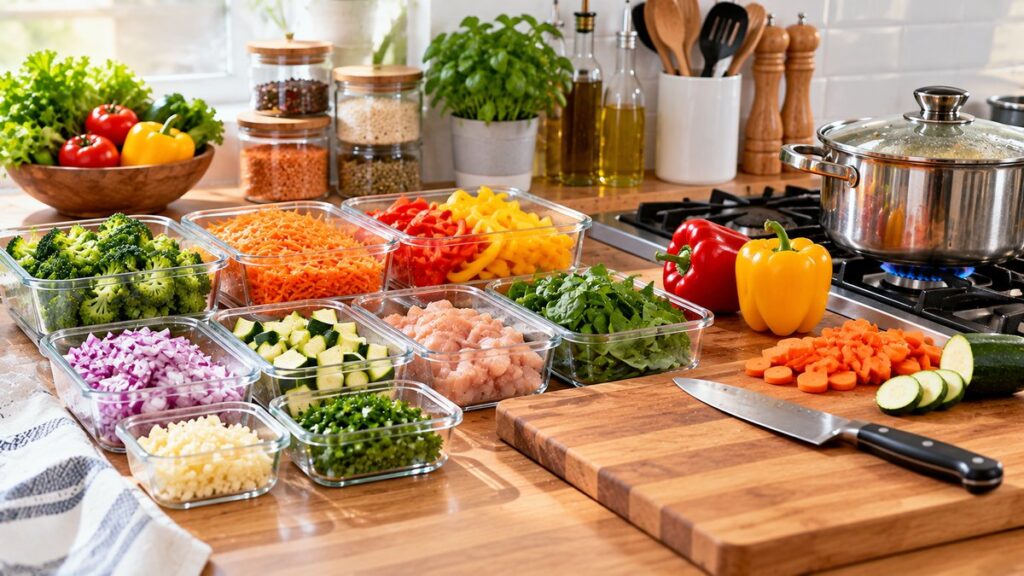
Batch prepping means doing similar tasks together. Wash and chop vegetables for several meals at once, cook a large pot of rice or grains, and make a big batch of sauce or marinade. Store prepared items in labelled containers so they are ready to use. Even thirty minutes on a quiet day can cut weeknight cooking time dramatically.
- Chop onions, peppers and carrots in one session for the week.
- Cook a pot of rice, pasta or lentils and use it across meals.
- Roast a tray of vegetables to add to bowls, wraps and omelettes.
- Marinate proteins in bags, ready for the oven or pan.
- Prepare a jar of dressing for salads and grain bowls.
What does cook once, eat twice mean?
Cooking extra on purpose lets you turn one meal into another. Roast a larger piece of chicken and use leftovers for sandwiches. Make extra rice for fried rice the next day. Simmer a big pot of lentil soup and freeze portions. This approach saves energy, reduces waste and gives you a ready meal on tired days.
How can you organise your kitchen for speed?
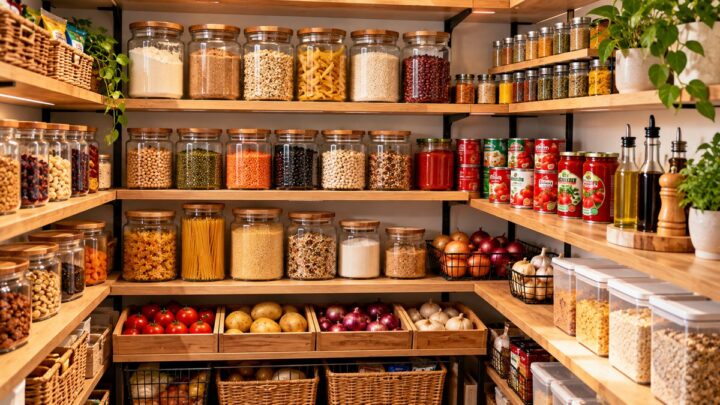
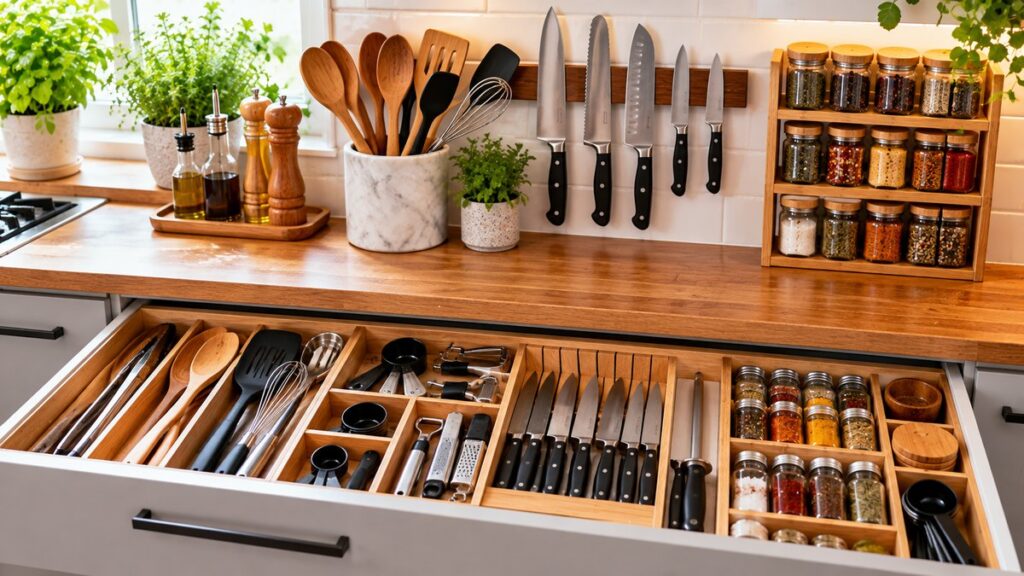
- Keep daily tools within reach: store knives, a cutting board, oil, salt and favourite spices near the stove.
- Group by use: keep baking items together and breakfast items together.
- Use clear containers: you can see what you have at a glance.
- Label and date leftovers: it avoids the guessing game.
- Declutter counters: a clear workspace makes every task faster.
Which tools and techniques actually save time?
| Tool or technique | Time benefit |
|---|---|
| Sharp chef’s knife | Faster, safer chopping |
| Sheet pan or one-pot cooking | Less cooking attention and fewer dishes |
| Pressure cooker or slow cooker | Hands-off cooking for beans, stews and curries |
| Kitchen scissors | Quick snipping of herbs, bacon alternatives and packaging |
| Frozen vegetables and herbs | No washing or chopping, minimal waste |
| Microwave for prep | Soften vegetables or melt butter in seconds |
How do you speed up cleaning?
Clean as you cook. Fill the sink with hot soapy water before you begin and wash bowls and utensils while food simmers. Line trays with baking paper for easy cleanup. Soak stuck-on pans while you eat. Wipe the counter at the end so the kitchen is ready for the next meal. A tidy kitchen makes the next round of cooking more inviting.
What shortcuts are worth using?
- Canned beans, tomatoes and chickpeas for fast, nourishing bases.
- Pre-minced garlic or ginger paste for busy days.
- Frozen peas, spinach and sweetcorn that go straight into dishes.
- Pre-washed salad greens, when they fit the budget.
- Simple sauces, spice blends and stock you trust.
Frequently asked questions
How long should meal planning take?
About ten to fifteen minutes a week once you get into the habit, including a quick check of your pantry and a shopping list.
How long do prepped ingredients last?
Most chopped vegetables keep three to four days in sealed containers in the refrigerator. Cooked grains and proteins usually last three to four days, and freezing extends this.
Is batch cooking boring?
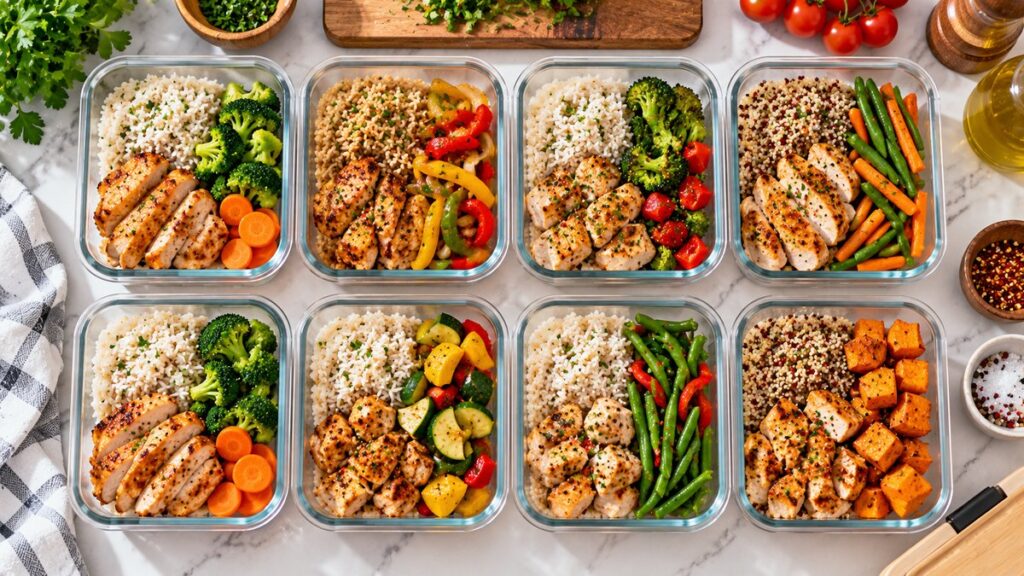
Not if you batch components rather than whole meals. Cook a base, such as rice or roasted vegetables, then vary sauces and toppings.
What is the fastest healthy-ish weeknight meal?
Simple bowls built from pre-cooked grains, roasted or frozen vegetables, a protein and a quick sauce come together in about fifteen minutes.
Bottom line
Time in the kitchen is rarely lost in the cooking itself. It disappears in planning, prep and cleanup. Plan loosely, prep in batches, organise your space and clean as you go, and dinner becomes calmer and faster.