Key takeaways
- Preheat pans and ovens fully before cooking.
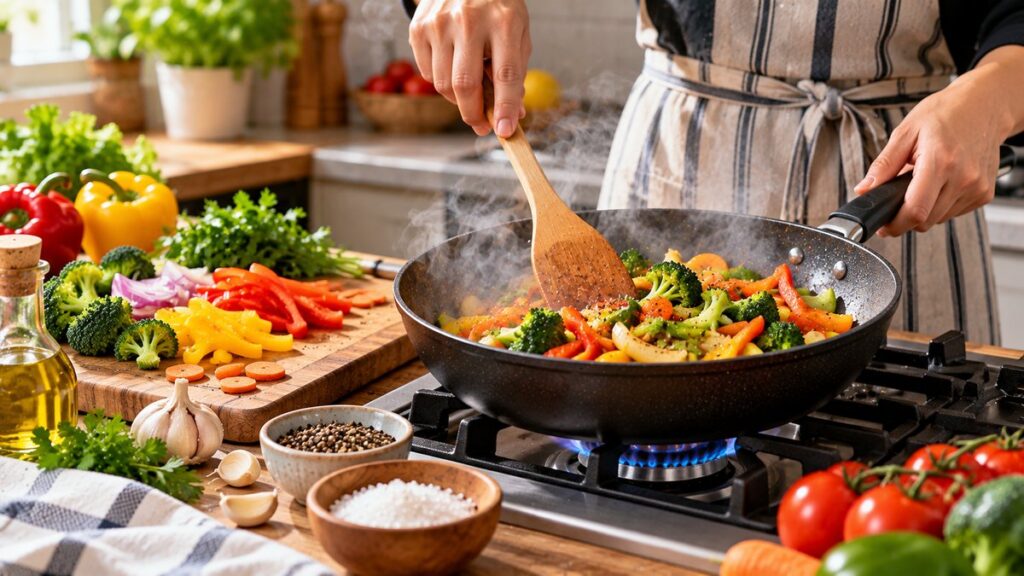
- Give food space so it browns instead of steaming.
- Season in layers and taste as you go.
- Rest meat and use a thermometer for reliable results.
Everyone makes mistakes in the kitchen, including professional cooks. The difference is that experienced cooks recognise what went wrong and know how to fix it. Most everyday problems, such as bland food, pale meat or soggy vegetables, come from a short list of habits. Once you spot them, small adjustments make a large difference. Here are the most common mistakes and how to avoid each one.
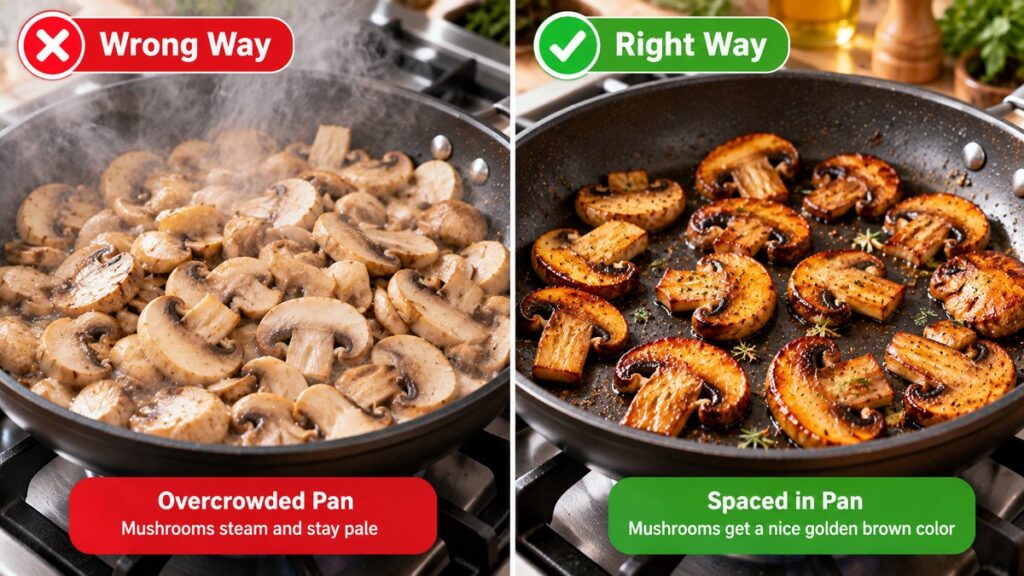
Why is crowding the pan a problem?
When too much food goes into a pan, the temperature drops and moisture cannot escape. Instead of browning, the food steams and turns grey and soft. This affects meat, mushrooms, onions and roast vegetables alike. Cook in batches, use a larger pan or spread vegetables across two trays. Leave a little space between pieces so heat and air can circulate.
What happens if you do not preheat?
Putting food into a cold pan or oven leads to uneven cooking and poor browning. Meat sticks to the pan, vegetables absorb oil and baked goods may not rise properly. Let a pan heat for a couple of minutes before adding oil, and let the oil shimmer before adding food. Give the oven at least 15 minutes to reach its temperature, and use an oven thermometer because many ovens run hotter or cooler than their dials suggest.
How does under-seasoning affect your food?
Salt does more than add saltiness. It brings out sweetness, reduces bitterness and makes flavours clearer. If a dish tastes flat, it often needs salt or acid, such as lemon juice or vinegar. Season in layers: a pinch with the onions, some in the sauce and a final adjustment at the end. Taste frequently with a clean spoon, because tasting is the single best way to improve your cooking.
Why should you let meat rest?
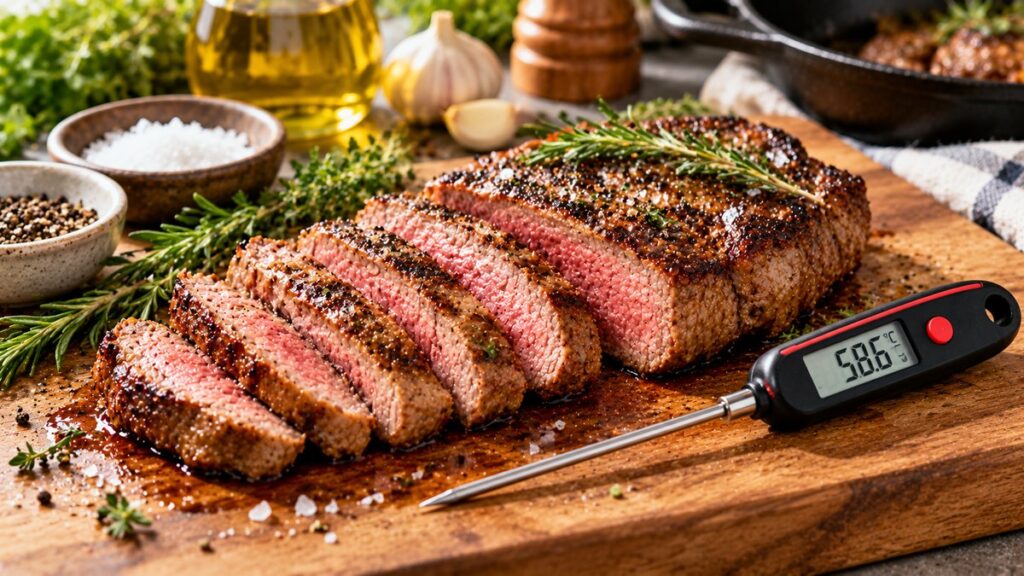
When meat cooks, its juices are pushed toward the centre. Cutting immediately sends them onto the board. Resting for 5 to 10 minutes lets the fibres relax so the meat holds more moisture. Larger roasts need longer. A meat thermometer also removes guesswork: chicken should reach at least 74°C (165°F), and ground meats should be cooked through. Never rely on colour alone.
Which other mistakes are easy to fix?
| Mistake | What happens | Better habit |
|---|---|---|
| Not reading the recipe first | Missed steps and surprises mid-cook | Read it through before you begin |
| Dull knives | Slow prep and uneven cuts, plus more slips | Hone regularly and sharpen when needed |
| Wet ingredients in hot oil | Spattering and no browning | Pat meat and vegetables dry |
| Adding garlic too early | Burnt, bitter flavour | Add it once other ingredients have softened |
| Overcooking pasta and rice | Mushy texture | Taste a minute before the package time |
| Skipping a final acid | Dishes taste heavy | Finish with lemon, vinegar or yogurt |
How can you cook with less stress?
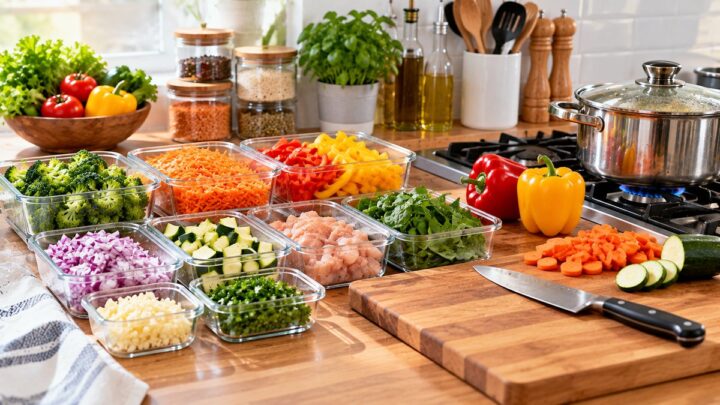
- Prep first: chop and measure before turning on the heat, a habit known as mise en place.
- Clean as you go: wash a pan or wipe the board while something simmers.
- Use timers: they prevent overcooking while you multitask.
- Keep a cooking notebook: record what worked and what you would change.
- Do not fear mistakes: most can be repaired, and each one teaches you something.
How do you fix a dish that has gone wrong?
- Too salty: add more unsalted ingredients, such as water, rice, potatoes or tomatoes, and balance with a little acid.
- Too sharp or sour: add a pinch of sugar or a splash of cream.
- Too thin: simmer to reduce, or thicken with a small cornflour slurry.
- Too thick: loosen with stock, water or pasta water.
- Burnt on the bottom: transfer the unburnt portion to a new pot without scraping.
What about food safety mistakes?
Use separate boards for raw meat and ready-to-eat food, wash hands after handling raw meat, refrigerate leftovers within two hours and reheat them until steaming hot. Do not thaw food on the counter for long periods. Follow local food-safety guidance for your area.
Frequently asked questions
How can I make my food taste better quickly?
Season in layers, taste often and finish with something acidic or fresh such as lemon juice or herbs.
Do I really need a meat thermometer?
It is not essential, but it is one of the most reliable tools for safe, juicy meat and takes out the guesswork.
Why does my food stick to the pan?
The pan may not have been hot enough, or the food was moved too early. Let a crust form and it will release more easily.
How do I stop vegetables from going soggy?
Use high heat, dry the vegetables well and avoid crowding the pan.
Bottom line
Most cooking mistakes come down to heat, space, seasoning and patience. Preheat properly, give food room, taste as you go and rest your meat. Small habits like these make everyday meals noticeably better.